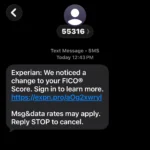
I’m definitely not turning this into some kind of dedicated cyber security blog; that’s just not what we do around here. However, dealing with a recovery scam or helping people figure out things like the expn.pro Experian scam or the AT&T discount scam is a big part of my life since I work in IT, so these occasional consumer warning posts are incredibly important to me. If sharing my firsthand experiences protects even one person from being ripped off by a fake scam recovery lawyer or a sketchy crypto recovery expert, then taking a quick break from our usual stuff is 100% worth it.

Lately, it feels like the digital vultures are everywhere. These criminals are constantly inventing new ways to panic you into giving up your private data, but apparently, humans weren’t the only ones reading my updates.
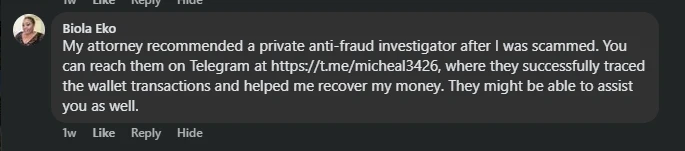
No sooner than I announced my recent Experian warning post on Facebook, the bottom-feeders of the internet arrived in the comments. Right there on my Facebook feed, an automated bot tried to run a textbook play on me. They clearly didn’t read a single word of what I actually wrote—they just scraped my keywords and assumed I was a vulnerable victim looking for a lifeline. What followed was a classic, shameless attempt at a recovery scam (where secondary scammers target people who have already been ripped off).
The Setup: Enter the “Friendly Telegram Lawyer”
The comment left on my Facebook post by a profile named “Biola Eko” followed a rigid script that is currently plaguing Reddit, Facebook, X (Twitter), and consumer protection forums. It was word-for-word copy-paste garbage:
“My attorney recommended a private anti-fraud investigator after I was scammed. You can reach them on Telegram athttps://t.me/micheal3426, where they successfully traced the wallet transactions and helped me recover my money. They might be able to assist you as well.”
It throws around big, official-sounding words like “attorney” and “private anti-fraud investigator” to make it look legitimate. But then the grand solution is just… a random Telegram link. Because that’s totally where elite cyber-lawyers and federal investigators hang out, right? In an encrypted chat app next to the crypto-shills and meme channels. Make no mistake: it is 100% automated, heartless nonsense.
These bad actors use tracking bots to scan Facebook and other platforms for specific high-volume terms like “expn.pro text scam”, “AT&T discount scam”, or “lost money to scammers”. They know that people searching these terms are often stressed, vulnerable, and desperate for a solution. They don’t care about the context of the article; they just want to intercept victims who are actively trying to figure out how to report a scammer and get money back.
How the Money Recovery Scam Actually Works
If you have fallen victim to financial fraud your immediate emotional response is a desperate desire to undo the damage. That’s exactly what these secondary criminals count on. If you actually take the bait and message their “expert” or “Telegram scammer recovery” account, here is how the script plays out:
- The Validation Phase: They will ask for specific details about how much money you lost. They’ll act outraged on your behalf and confidently assure you that your funds are “easily traceable and fully recoverable.”
- The High-Tech Smoke and Mirrors: To look legitimate, they might send you fake screenshots of a doctored legal document showing your funds sitting in a secure vault, just waiting to be released to build trust.
- The Trap (The Upfront Fee): Here is the pivot. They will tell you that to release the funds or pay the “court filing fees,” you must pay them an upfront cost. They will almost always demand this via cryptocurrency, Venmo, or untraceable gift cards.
- The Double-Dip: Once you pay that initial fee, they disappear. Or worse, they’ll claim there was a “liquidity glitch” or a “secondary IRS tax” and demand more money, bleeding you dry until you finally realize you’ve been conned twice.
Three Rules to Avoid a “Scam Recovery” Trap
Let’s lay down the law so nobody in our community falls for this trap:
- No one on Telegram can magically recover your money. True ethical hackers and legitimate cyber-forensic investigators do exist, but they work with law enforcement—they do not spend their days trolling Facebook comment sections looking for clients, and they do not run businesses out of encrypted Telegram chats.
- Never pay money to get money back. If an organization or individual demands an upfront fee to release recovered funds, close the tab immediately. You are dealing with a secondary scammer.
- The only legitimate avenues are official ones. If you are wondering how to get money back after being scammed, your only real recourse is to report it directly to your bank or credit card company, freeze your credit bureaus, and file an official complaint with government entities like the FBI’s IC3 (Internet Crime Complaint Center) or the FTC.
Final Thoughts
There is a special kind of irony in a criminal trying to hustle an IT guy who literally just posted the guide on how to spot them. It just goes to show that these operations aren’t masterminds—they are numbers-game opportunists relying on Facebook bots and blind luck.
If you see these Telegram recovery scam comments on my Facebook page or blog, do me a favor: don’t reply to them. Just hit that report button, block them, and let’s keep our community safe.
While You’re Here…
Since we’ve spent enough time dealing with the underbelly of the internet for one day, let’s look at something way more fun:
- Meet Campy: Our 2023 Flagstaff E-Pro 15TB Camper Trailer: A look inside our tiny home on wheels, our setup, and the actual road trips we take when we are escaping the screens.
- About Us: The full story on who we are, why this site is a personal document of our experiences rather than a polished platform, and what we’re actually about when I’m not dealing with IT nonsense.